
Your favorite groceries cost more. A familiar clothing budget brings home fewer items. The household purchase you planned now requires a little more money.
Inflation can create scarcity of access. Goods may remain available while rising prices reduce what the same amount of money can buy.
Shopping through that change begins with understanding what you want your purchases to give you. Here are six ways to explore value while keeping your needs, preferences, and enjoyment in the picture.
1. Start with what you want the purchase to do
Before comparing prices, consider the experience or purpose behind the purchase.
Are you buying ingredients for convenient weekday meals or a dinner you are excited to prepare? Do you need shoes for daily walking or an occasional event?
Your answer helps you compare options that actually suit your life.
Try this: Complete the sentence, “I would be glad I bought this because…”
2. Compare the amount you will actually use
Look at the unit price alongside the total price. Then consider how much you need, where you will store it, and whether you will use it.
For example, a hypothetical 24-ounce package priced at $6 costs 25 cents per ounce. A 12-ounce package at $3.60 costs 30 cents per ounce. The larger package offers a lower unit price, but the smaller one may fit better if you only need a little.
Try this: Compare price, quantity, and likely use together. A saving is most useful when the purchase serves you.
3. Explore alternatives with curiosity
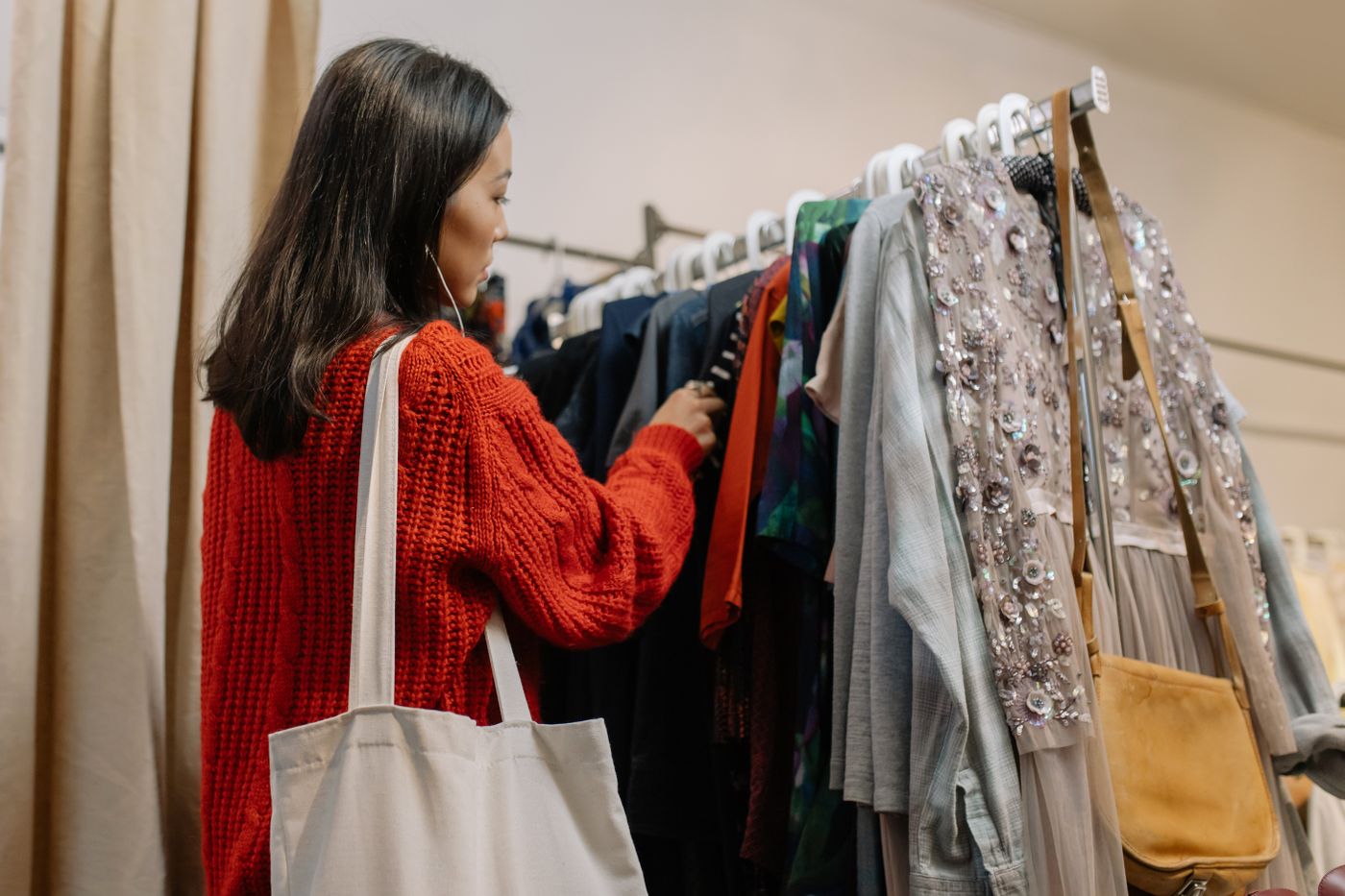
Choose one familiar item and investigate another version: a store brand, a different retailer, a refill, or a secondhand option.
Keep the qualities you care about in the comparison. For food, that might include taste, ingredients, or dietary needs. For clothing, consider fit, fabric, condition, and care.
In a 2022 discussion of inflation and consumer behavior, Yale’s Ravi Dhar describes switching stores, brands, and quantities among the ways shoppers respond. He also explains how people rearrange spending to preserve experiences they enjoy, such as choosing better ingredients when eating at home more often. [1]
Try this: Experiment with one substitution at a time. Keep what you enjoy.
4. Look beyond the price tag
For a product you expect to use regularly, consider durability, maintenance, repair options, and any recurring costs.
A hypothetical $90 item used 90 times costs $1 per use. A $40 item used five times costs $8 per use. These estimates help you think about usefulness, although future use and durability are never guaranteed.
A higher price deserves investigation just as much as a lower one.
Try this: Ask, “How often will I use this, and what will it cost to keep using it?”
5. Give discounts a purpose
Coupons, loyalty rewards, and sales can help with purchases you already value.
Check the final price, purchase requirements, delivery fees, and whether using the offer requires buying more than you intended. Include your time and transportation when comparing shops.
Try this: Keep a short list of items you would welcome at a suitable price. Let offers help you find them.
6. Choose where enjoyment belongs
Perhaps you prefer simple everyday lunches and a favorite restaurant occasionally. Perhaps flowers bring you more pleasure than another subscription. Your choices can reflect that.
Where your circumstances allow, make room for something you appreciate. Where money is tightly committed to essentials, choosing convenience, familiarity, or a small pleasure can still carry meaning.
Try this: Ask, “Which part of this purchase matters most to me?” Protect that quality as you explore your options.
Bring it together with SHOULD
Use these questions whenever a purchase deserves a closer look:
S — Summons
What caught my attention?
H — Hunger
What am I actually hungry for?
O — Outcome
What will this bring into my life?
U — Underlying Values
Does this purchase reflect my financial values and the future I desire?
L — Life Participation
How will this allow me to participate in life?
D — Direction
Is this where I want to direct my money?
Your answer might lead you to buy the familiar product, discover an alternative, adjust the quantity, or return another time.
Inflation changes the prices we encounter. Thoughtful shopping helps us understand our options and recognize what we would be happy to bring home.
What would you like your next purchase to add to your life?