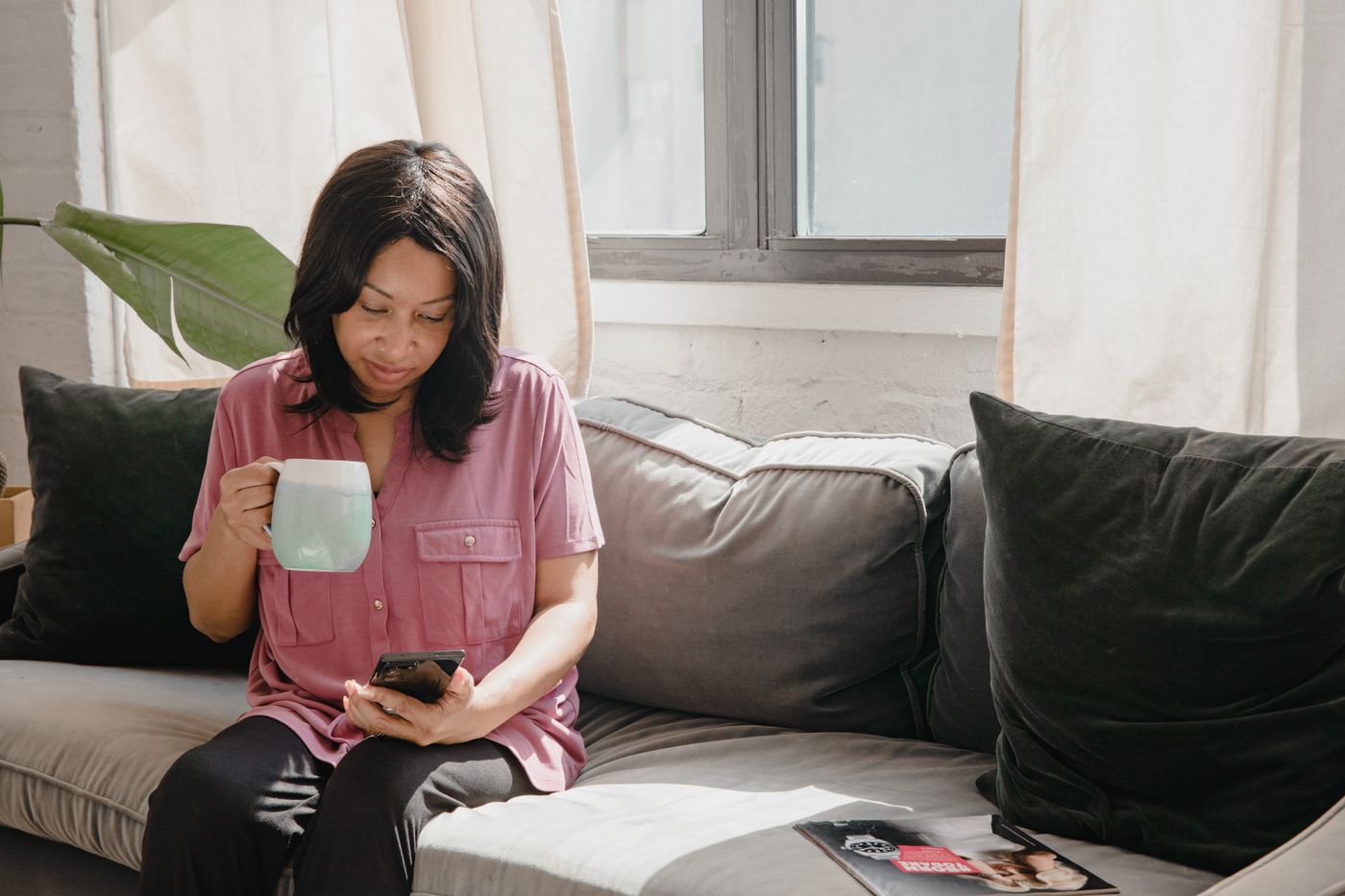
I used to open TikTok because I wanted to see a little more of the world. Someone would show me what they cooked for dinner in a place I’d never been. I’d hear them explain why they made it that way, and suddenly I knew something about a person I might never meet. Sometimes I’d come away wanting to try a recipe. Sometimes it was enough just to have heard the story.
These days, I can scroll past several people mouthing the same voice-over, watch somebody perform a scene I’ve already seen three times, and land on a video that turns out to be an ad. Some of it still makes me laugh. But when I watch someone make breakfast because I’m curious about what they eat, I can almost feel the moment the video turns and asks me to buy the pan.
I miss the surprise of hearing someone say something in a way only they could say it. And I’ve been wondering how much of the version of reality we see now will survive if the people who helped it grow start looking for something else.
I thought about that when I heard about Walt Zerod. He was stocking Red Baron pizzas at a Michigan grocery store when a prank creator asked him for the time. When Walt took out his phone, the creator played a sound like an Apple Pay notification and pretended he’d taken ten dollars. Walt told him he’d expected to be home an hour earlier. His children had gone to bed without him, and he had more stores to get to the next morning. [1]
The detail I keep coming back to is the hour. Anybody who’s watched the clock at the end of a long shift knows what that hour can mean. It’s time you thought you’d have at home. The person filming had set up a joke, but viewers heard something else. They shared Walt’s story and contributed to a fundraiser for his family. [1]
One video can’t tell us where a whole culture is going. But this one made me think about how much power we have as viewers. We helped sustain the TikTok version of reality. We watched, laughed, shared, and sometimes tried to make our own lives look a little more like what we saw. Some of it was fun. Some of it opened up our worlds. And as we grow and change, the things we once gave our attention to may lose their hold. The app can stay on our phones long after we’ve outgrown what we used to open it for.
AI makes me curious about what we’ll want next. If I can make a convincing video of a beautiful afternoon I never had, I think I’ll be even more interested in hearing about an afternoon somebody did have. What made you laugh? Why did you stay longer than you planned? What did the day feel like from where you were sitting?
I think there’s room for more true, uplifting stories about people’s lives, online and offline. I’d love to hear from someone who finally invited friends over after years of thinking their place was too small. I want to know what they cooked and who stayed late. I’d listen to that story on my phone, and I’d love to hear it sitting across the table from them. Either way, I might leave thinking about who I’d like to have over.
That brings me back to one of my favorite questions in the S.H.O.U.L.D. method: How will this allow me to participate in life? I can watch a video of breakfast in a sunny kitchen and start looking for the bowl. If I pause, I might realize what I want is time to sit down and eat while the light is still coming through the window. I can order the bowl in a minute. Making time for breakfast asks something different of me.
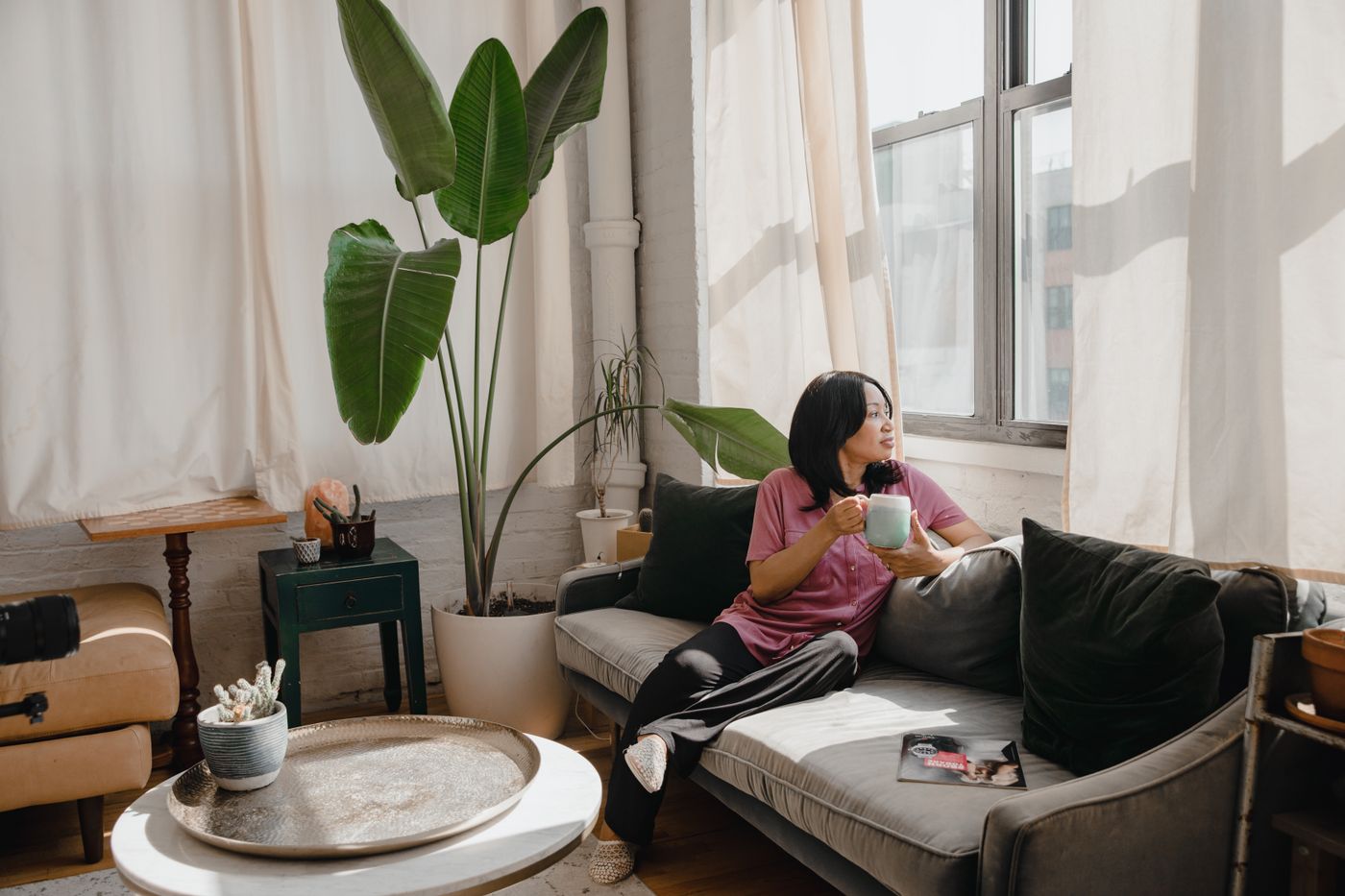
I had cake and lemon macarons in the sun one afternoon. I remember thinking, That was a beautiful version of today. If I tell you about it, I hope it makes you think of something you’d enjoy doing with your own afternoon. I think I’d like another hour in the sun.